Schedule your initial consultation today and start your journey towards happiness. Contact us now!
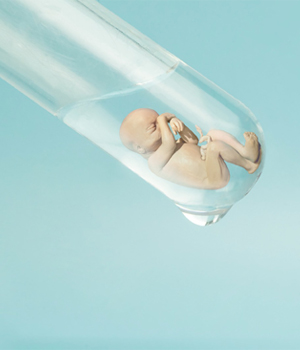
IVF (In Vitro Fertilization) is a popular fertility treatment that involves combining eggs and sperm outside the body in a lab to create embryos. These embryos are then implanted into the uterus for potential pregnancy. IVF is commonly used for couples facing infertility due to various reasons, such as blocked fallopian tubes, low sperm count, or unexplained infertility.
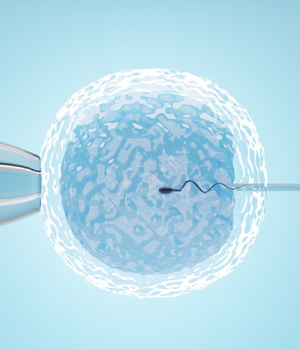
ICSI (Intracytoplasmic Sperm Injection) is a highly advanced fertility technique where a single sperm is directly injected into an egg to facilitate fertilization. ICSI is often used when sperm quality is poor or when previous fertilization attempts have failed. It is typically performed as part of an IVF cycle.
IUI (Intrauterine Insemination) is a fertility treatment where sperm is directly placed into the uterus around the time of ovulation. This increases the chances of sperm reaching the egg and fertilizing it. IUI is often recommended for couples with mild male infertility, unexplained infertility, or women with ovulation disorders.
IMSI (Intracytoplasmic Morphologically Selected Sperm Injection) is an advanced form of ICSI where sperm is selected based on its shape and structure using high magnification. This method is used to improve fertilization rates in cases of male infertility, particularly when sperm quality is poor.
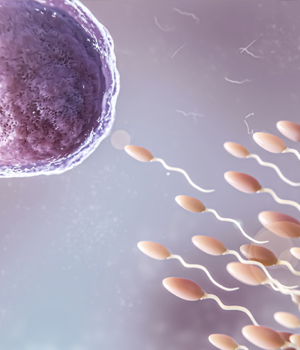
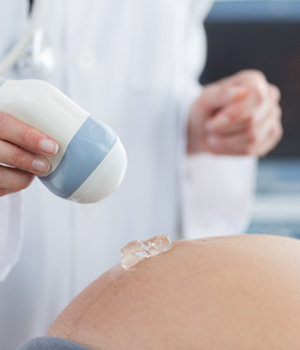
PICSI (Physiological ICSI) is a variation of ICSI where sperm is selected based on its ability to bind to a special culture dish. This selection process mimics the natural fertilization process and is believed to improve embryo quality and increase the chances of successful pregnancy.
ERA (Endometrial Receptivity Analysis) is a test that helps determine the optimal time for embryo transfer during an IVF cycle. By analyzing the endometrial lining, ERA can identify the best window for implantation, increasing the chances of a successful pregnancy.

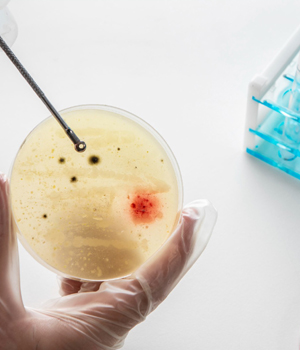
PGD (Preimplantation Genetic Diagnosis) and PGS (Preimplantation Genetic Screening) are genetic testing methods performed on embryos during an IVF cycle. PGD is used to screen for specific genetic disorders, while PGS tests for chromosomal abnormalities. Both techniques help ensure the transfer of healthy embryos and improve IVF success rates.
PRP (Platelet-Rich Plasma) therapy involves using a patient's own blood to stimulate healing and rejuvenation of the ovaries or uterus. PRP injections can improve egg quality, ovarian function, and overall fertility health, making it a promising option for women with diminished ovarian reserve.
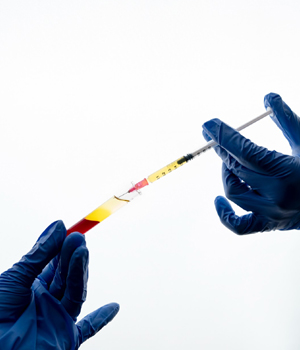
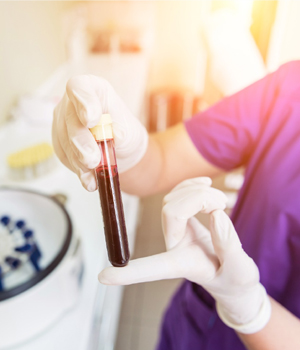
ETPR (Endometrial Tissue PRP) is a fertility treatment that involves injecting Platelet-Rich Plasma (PRP) into the uterine lining to enhance its receptivity. This procedure helps improve the chances of embryo implantation, especially in women with thin or damaged endometrial lining.
DF (DHEA Supplementation) involves the use of dehydroepiandrosterone (DHEA), a hormone that can improve ovarian function and egg quality in women with poor ovarian reserve. DHEA supplementation is often recommended as part of a fertility treatment plan, particularly for women over 35 or those with diminished egg quality.